Range anxiety today vs five years ago: what you can actually do with a modern EV in 2026
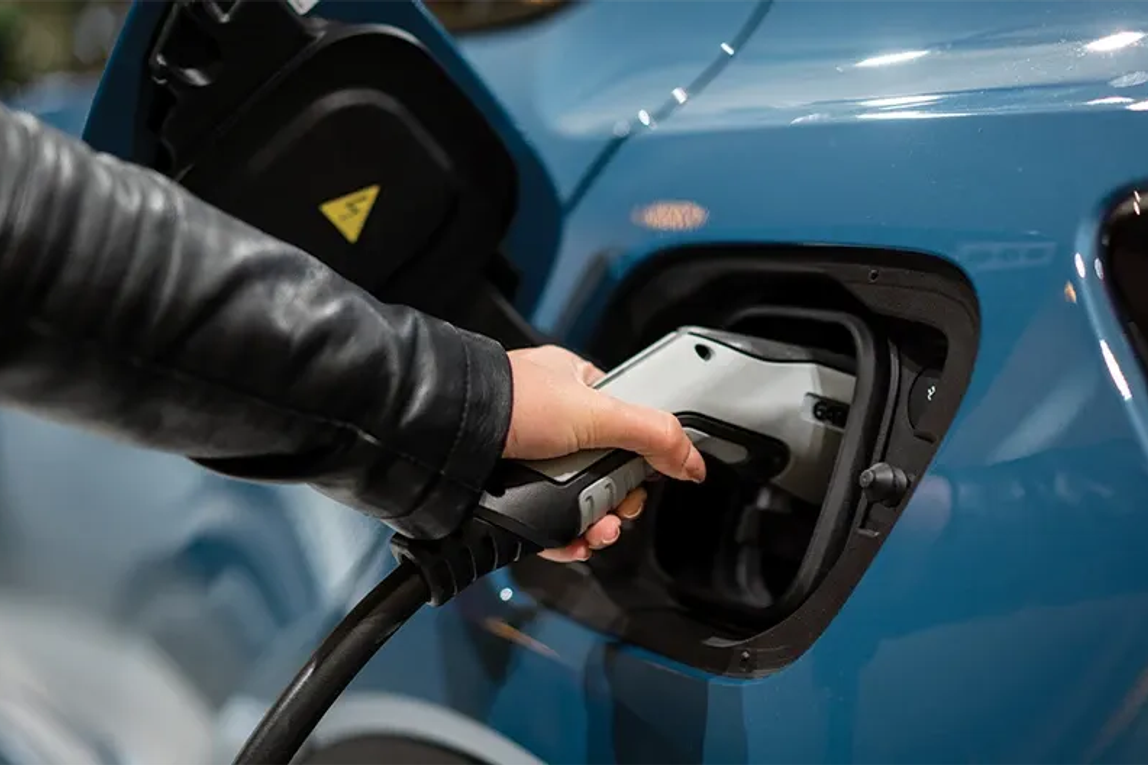
Five years ago, range anxiety was a reasonable concern. Charging infrastructure was sparse in parts of the country, the EVs widely available were mostly short-range city cars and the confidence simply wasn’t there for longer trips. That picture’s changed substantially and for most New Zealand drivers, the range conversation looks very different in 2026.
This article sets out what’s actually changed, where the genuine considerations still exist and what a realistic picture of EV range looks like today.
What’s changed with EVs
The most immediate shift is in the vehicles themselves. The typical EV available to New Zealand buyers today carries a battery of 60 to 100 kWh, with real-world range well over 400 km under normal driving conditions. The upper end of the current market pushes comfortably beyond 500 km.
That’s a fundamentally different proposition from the vehicles that shaped early perceptions of EVs in New Zealand. The original Nissan Leaf, which was for a long time the most common EV on New Zealand roads, had a 24 to 40 kWh battery and realistic range of around 120 to 150 km. Those vehicles were genuinely best suited to city driving. The argument that EVs were city cars made sense when those were the vehicles available. It doesn’t reflect what’s on the road today.
Charging speeds have also improved dramatically. Many new vehicles can accept over 150 kW of DC charge, meaning a stop at a rapid charger adds a meaningful amount of range in 20 to 30 minutes. Some newer models, including certain BYD vehicles, are pushing charging speeds that begin to resemble the time you would spend at a petrol station. The gap between EV charging time and petrol refuelling is narrowing fast.
Battery technology has also become more stable and predictable. The degradation issues that affected some early EVs, particularly those without active thermal management systems, are not representative of current vehicles. Most new EVs come with an eight-year battery warranty and real-world data increasingly shows that batteries are lasting longer.
What’s changed with the charging network
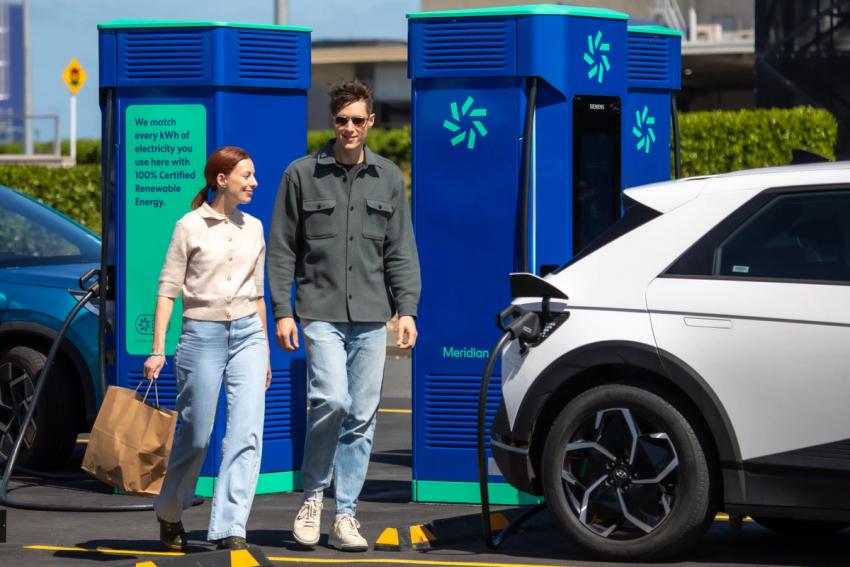
New Zealand's public charging network has expanded considerably over the past five years and the quality of that infrastructure has improved alongside the quantity. The focus has shifted from slower AC destination chargers toward high-capacity DC rapid chargers capable of 100 kW and above, which means stops on longer routes are faster and more efficient than they were even two or three years ago.
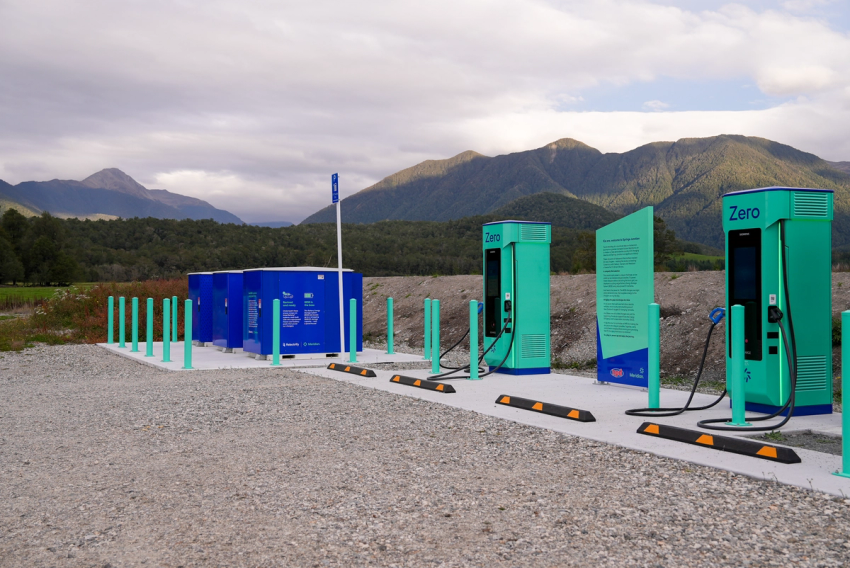
Multiple operators now run public networks across the country, which means competition, more coverage and more options on popular routes. The major highways and tourist corridors of both islands are now well served. Many of the charging deserts that existed five years ago on many South Island routes have been filled and coverage on the West Coast and other more remote parts of the country has improved substantially.
Locations are also better chosen than they were in the early days of the network. Chargers are increasingly placed at spots where drivers actually want to stop: cafes, rest areas, scenic viewpoints and town centres rather than industrial car parks. That makes charging stops a more natural part of a road trip rather than an interruption to one.
What’s changed with in-car technology
The technology inside the vehicles has caught up with the hardware in ways that make a genuine difference to driver confidence. Newer EVs now include real-time route planning that factors in your current battery level, the elevation profile of your route, weather conditions and the location of chargers ahead. Some models update their range estimates dynamically as conditions change during the drive.
Elevation is one of the biggest variables affecting real-world range in New Zealand. A route that looks straightforward on a map can involve significant climbing and a vehicle that accounts for that in its planning gives you accurate information rather than optimistic estimates. Drivers who know they can trust the numbers their car gives them, travel with considerably more confidence than those who are second-guessing the display.
Third-party apps have also matured significantly. PlugShare shows charger availability and includes user reported check-ins that give you a current picture of whether a charger is working before you rely on it. These tools have become genuinely useful for New Zealand conditions, including for less common routes.
What range anxiety actually looks like for experienced EV drivers
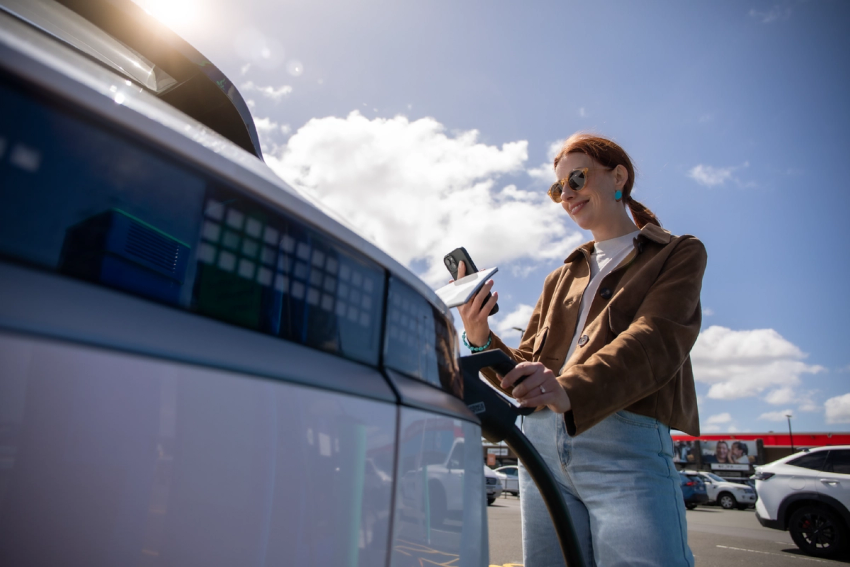
For most people who have owned an EV for a year or more, range anxiety essentially disappears. The behaviour shifts. You stop thinking about your battery the way you thought about a petrol tank and start treating it more like a phone. You plug in most nights at home, you start most days with a full battery and longer trips become a matter of light planning rather than significant concern.
The first few months involve a heightened awareness of the battery level and a tendency to plan stops in advance. By the six-month mark, most drivers report that the awareness has become background noise rather than active worry. By the time a year has passed, the idea of going back to petrol, with its queues and constant mental accounting, tends to feel like the more inconvenient option.
The shift happens because drivers learn to trust the numbers their vehicle gives them. They discover through experience that the car's range estimate is reliable, that charging infrastructure is available when they need it and that the few moments of uncertainty in the early months didn’t result in being stranded. That confidence is built through experience and most EV drivers agree that once it’s established, it doesn’t go away.
Where you still need to think ahead
There’s still parts of New Zealand where some planning is worth doing.
Remote areas of the South Island, less-travelled sections of the West Coast and some outer regional routes in the North Island have fewer chargers and less coverage by the network. On these routes, stopping more frequently is good practice. If a charger is out of service and you’ve arrived with a very low battery, the next option may be a significant distance away. Keeping a buffer, particularly in remote areas, is smart.
It’s also worth checking the status of specific chargers before you rely on them on more remote routes. PlugShare shows recent user check-ins and reported faults, which gives you a current picture rather than just a map marker.
Temperature and load are the other variables worth accounting for. In winter, battery performance drops because the thermal management system uses energy to keep the battery within its operating range. A heavily loaded car heading over the Crown Range or up through the Lewis Pass is going to consume more energy than the same vehicle on flat ground in mild conditions. The rule of thumb of not letting the battery drop below around 20% is worth following in these conditions.
How far can a modern EV actually go in New Zealand?
A current mid-range EV with a 60 to 70 kWh battery, driven at motorway speeds with a moderate load, will typically cover 350 to 420 km between charges under normal New Zealand conditions. A larger 80 to 100 kWh battery in the same conditions will push toward 450 to 550 km.
Those numbers change with elevation, temperature, load and driving speed, all in predictable directions. Driving fast uphill in winter with a full car and the heating on will use more energy than cruising along the Kapiti Coast on a mild day. But the baseline range of modern EVs means that Auckland to Wellington, for example, is comfortably achievable with one planned charging stop, compared with the two or three stops that would have been necessary five years ago in an earlier generation vehicle.
For most of the trips New Zealanders actually take, including daily commuting, regional travel and the kind of holiday road trips that involve staying somewhere overnight, a modern EV handles this without range being a barrier. The remaining work is for drivers to catch up with what the technology can actually do.
A realistic picture for 2026
EVs have improved. The network’s improved. The technology for planning and navigating longer trips has improved. And the community of experienced EV drivers in New Zealand has grown large enough that the knowledge for doing this well is widely available.
Range anxiety made sense as a concern when the vehicles were different, the network was thin and there were few experienced voices to draw on. For most New Zealand drivers, the question is not whether a modern EV can handle their driving life. It can. The question is which one suits them best!
For charger locations across New Zealand, PlugShare gives a broad view across all networks.
To find Meridian's public chargers, visit the our location map here.